

Nairobi, 26 September 2025
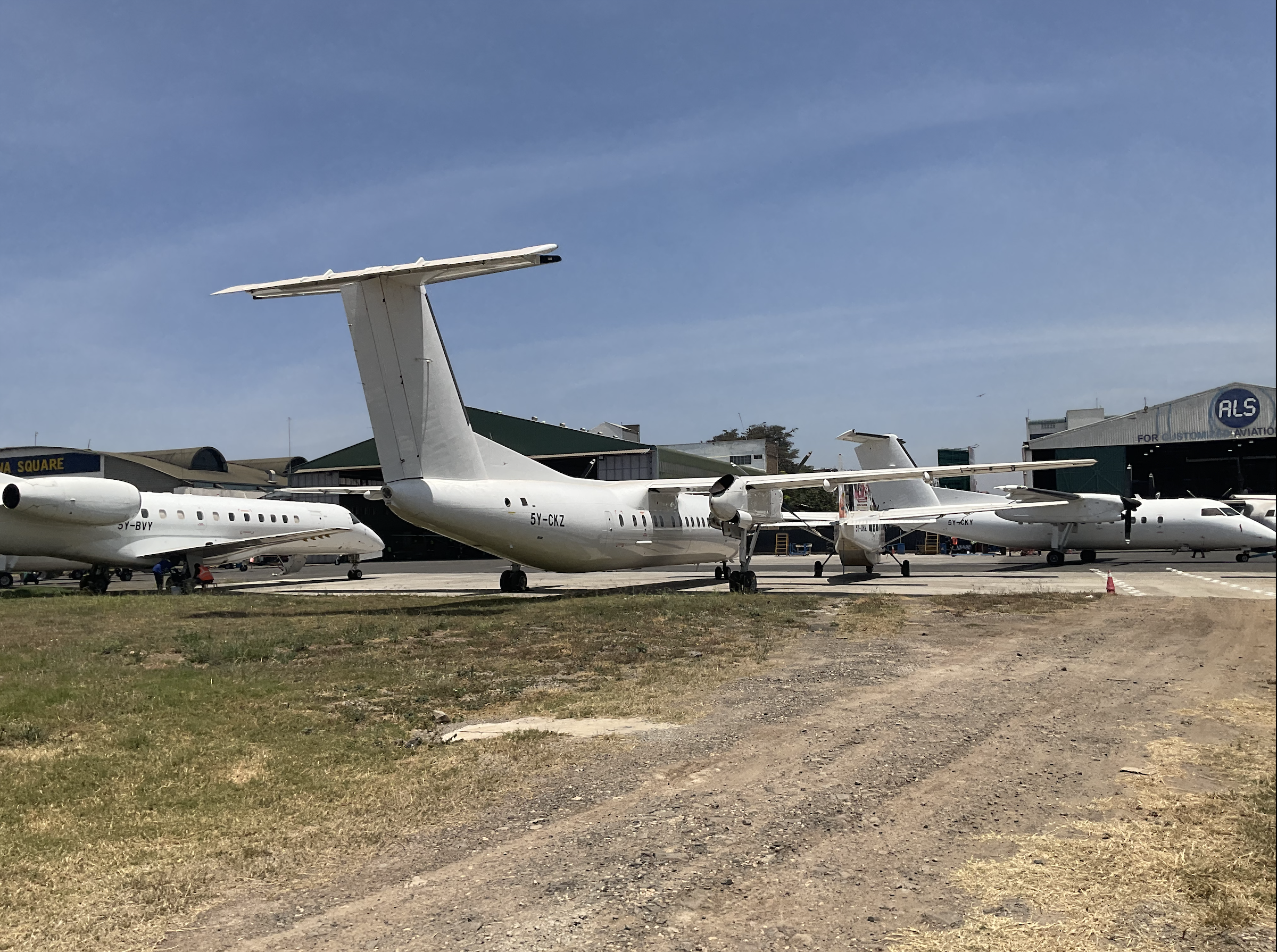
Earlier this week, while attending an aviation assignment at Wilson Airport, I found myself walking past aircraft on the apron and others undergoing scheduled maintenance in the hangars. Being there inevitably brought to mind the recent AMREF Flying Doctors jet crash in Mwihoko — a tragedy that occurred just minutes after departure from the same airport.
The aircraft, a Cessna Citation 560 (XLS), registration 5Y-FDM, had departed Wilson at approximately 2:17 pm on a medical mission to Hargeisa, Somalia. Within three minutes of take-off, both radio and radar contact with Air Traffic Control were lost. The jet came down in a residential area of Mwihoko, killing all four people on board (two crew and two medical personnel) and two civilians on the ground. Several homes were also damaged.
Understanding the Layers of Aviation Claims
In the aftermath of such incidents, investigations go far beyond the wreckage. Each case calls for a multidisciplinary review of evidence, typically focusing on:
-
Aircraft systems – airframe, engines, avionics, and any pre-impact failures.
-
Maintenance history – service and inspection records, deferred defects.
-
Operational environment – ATC communications, flight path, and prevailing weather.
-
Human factors – crew training, flight hours, and decision-making.
-
Third-party impact – property damage, personal injury, and liability exposures on the ground.
For those involved in aviation loss adjusting and claims assessment, the role extends well beyond identifying proximate cause. It involves quantifying complex losses — from hull damage and crew cover to third-party property and liability claims. Each incident brings unique technical, regulatory, and evidentiary challenges that demand precision, neutrality, and professionalism.
Building Technical Depth in Aviation Claims
At Specialty Claims Academy (SCA), we view incidents like these as stark reminders of the need for technical depth, procedural rigor, and professional independence in claims management. Aviation losses test not only the systems in place but also the competence and preparedness of those tasked with interpreting them.
These are the realities of aviation risk — where every decision, record, and data point matters. They highlight why continuous professional development and structured technical training remain essential to improving claims outcomes and safeguarding industry standards.
Training & Capacity Development
SCA works with insurers, loss adjusters, and aviation stakeholders to design and deliver specialist training programmes in aviation claims investigation, loss quantification, and evidence-based reporting.
If your organization would like to strengthen its technical expertise in handling aviation-related claims, we’d be glad to collaborate.
📧 training@specialtyclaims.co.ke
🌐 www.specialtyclaims.co.ke
Author:
Fredrick A. Oloo
BCom (Ins.), Dip CII, Dip CILA
Lead Trainer & Director – Specialty Claims Academy (SCA)
( Also: Managing Director – Niche Loss Adjusters & Marine Surveyors Ltd
Council Member – Institute of Loss Adjusters & Risk Surveyors (IARS – Kenya)
Committee Member – Chartered Institute of Loss Adjusters (CILA – UK)’s Future Focus Special Interest Group