
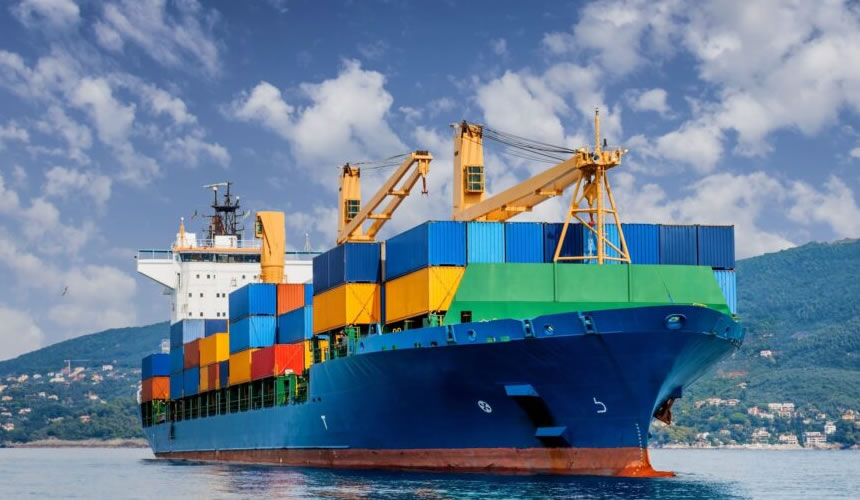

The maritime industry is a vital component of global trade, with millions of tons of cargo transported across oceans daily. However, with this immense movement of goods comes the inevitable risk of losses, damages, and disputes. This is where marine claims professionals step in, ensuring that claims are handled efficiently, fairly, and in accordance with industry regulations. Whether you’re new to the field or looking to refine your expertise, mastering marine claims requires a strong foundation in insurance principles, legal frameworks, and investigative techniques.
Understanding Marine Claims
Marine claims refer to the financial compensation sought for losses or damages incurred during the transport of cargo or the operation of a vessel. These claims typically fall under the following categories:
- Marine Cargo Claims: Covering loss or damage to goods in transit due to perils such as weather conditions, accidents, or theft.
- Hull & Machinery (H&M) Claims: Addressing damage to vessels and their equipment.
- Protection & Indemnity (P&I) Claims: Involving third-party liabilities, such as crew injuries, pollution incidents, or collisions.
- General Average & Salvage Claims: Relating to the shared financial burden when a ship and its cargo are saved from disaster.
Each of these areas requires a deep understanding of marine insurance policies, contract terms, and claims-handling procedures.
Key Skills for Marine Claims Professionals
A successful marine claims adjuster or specialist must possess a diverse skill set to navigate the complexities of the field. Some essential skills include:
- Legal & Regulatory Knowledge: Understanding maritime law, international treaties, and insurance policies is crucial in assessing liability and processing claims correctly.
- Investigation & Assessment: Professionals must conduct thorough investigations, review reports, analyze evidence, and determine the validity of claims.
- Negotiation & Dispute Resolution: Marine claims often involve multiple stakeholders, requiring strong negotiation skills to resolve conflicts efficiently.
- Attention to Detail: Minor documentation errors can lead to delays or claim denials, making accuracy a vital trait in claims handling.
- Technology & Digital Tools: The industry is rapidly evolving with the adoption of AI, blockchain, and digital claims processing systems that enhance efficiency and transparency.
The Future of Marine Claims Management
As technology reshapes the maritime and insurance industries, professionals must stay updated with emerging trends. Automation, data analytics, and AI-powered risk assessment tools are transforming the way claims are processed. Additionally, stricter environmental regulations and geopolitical risks are influencing claims handling, requiring specialists to adapt continuously.
How Specialty Claims Academy Can Help
At Specialty Claims Academy, we provide comprehensive training programs tailored to aspiring and experienced professionals in marine claims. Our courses cover essential areas such as cargo insurance, hull and machinery claims, legal frameworks, and digital transformation in claims management. By combining theoretical knowledge with practical case studies, we prepare our students to excel in this dynamic industry.
If you’re looking to build a rewarding career in marine claims, join us at Specialty Claims Academy and gain the expertise needed to navigate this critical field with confidence.